6 Steps How to Prevent Altitude Sickness: A Comprehensive Guide for Travellers
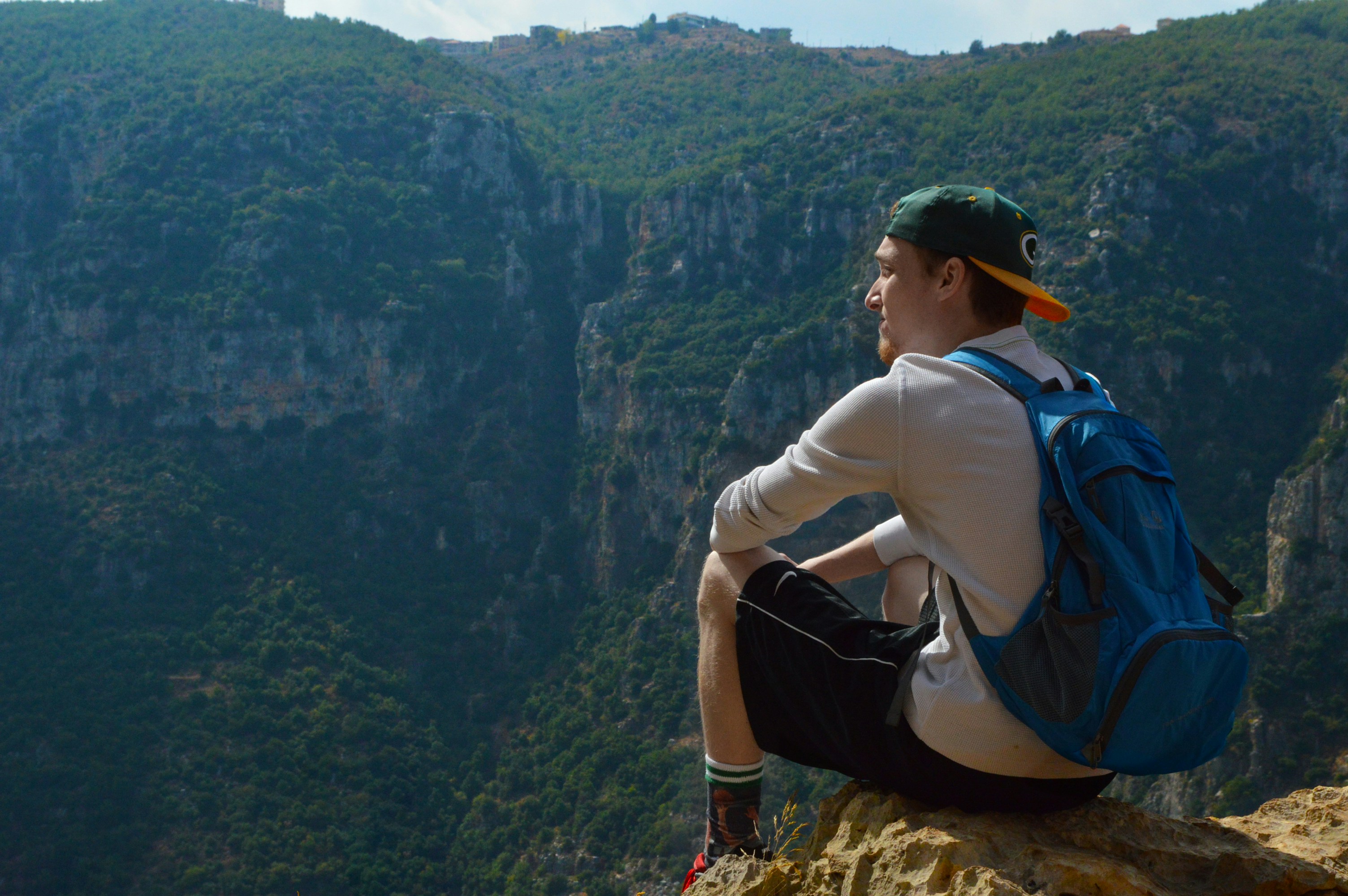
If you are planning to trek in Nepal, climb Kilimanjaro, or visit Machu Picchu in Peru, you need to understand altitude sickness before you go. This guide covers what it is, why it happens, how to prevent it, and what to do if symptoms strike. Simple, straight to the point, and written for anyone planning a high-altitude adventure.
What Is Altitude Sickness?
Altitude sickness, also called acute mountain sickness (AMS), occurs when your body cannot get enough oxygen at high elevations. The air is thinner above 2,500 metres (8,200 ft), meaning each breath delivers less oxygen than your body is used to. Rather than adjusting instantly, your body needs time and gradual exposure to adapt. When you ascend too quickly, it struggles to cope.
According to StatPearls (NCBI), AMS is the most common form of altitude illness, affecting approximately 25% of all visitors sleeping at elevations above 8,000 ft (2,438 m).
Why Do We Get Altitude Sickness?
At altitude, lower air pressure means less oxygen per breath. Your body responds by working harder to circulate whatever oxygen it can access, and this extra strain is what causes symptoms. The CDC Yellow Book on High Elevation Travel notes that AMS symptoms typically appear within 6 to 12 hours of ascending above 2,500 metres.
Key statistics: Roughly 20% of people ascending to 2,500 m and 40% ascending to 3,000 m will develop AMS. At 4,500 m and above, rates rise above 60%. Approximately 200 million people travel to high-altitude destinations every year. (Source: Wikipedia, Altitude Sickness)
Critically, physical fitness does not protect against AMS. Even elite athletes are affected. The only real factor is how quickly you ascend and how well you acclimatise.
Who Is Most at Risk of Altitude Sickness?
Anyone can get altitude sickness, regardless of age or fitness level. However, these factors increase your risk:
Rapid ascent: Going up too quickly is the single biggest risk factor.
Previous history of AMS: If you have had altitude sickness before, you are at least twice as likely to develop it again.
High sleeping altitude: Where you sleep matters more than your daytime peak altitude.
Strenuous exertion before acclimatisation: Pushing hard before your body has adjusted greatly increases oxygen demand.
Individual genetics: No test can predict who will be affected.
Symptoms of Altitude Sickness
Recognising symptoms early is critical. The Cleveland Clinic lists the key signs:
Headache: The cardinal symptom, often described as similar to a severe hangover. Required for an AMS diagnosis.
Fatigue: Persistent tiredness even after rest.
Nausea or vomiting: Stomach upset at altitude.
Dizziness: Feeling lightheaded or off-balance.
Shortness of breath: Struggling to breathe even when resting.
Loss of appetite: Not wanting to eat despite needing energy.
Sleep disturbance: Waking frequently during the night.
Symptoms can appear within hours of arriving at altitude or develop gradually over a day or two. Take them seriously from the start.
The Danger of Ignoring Altitude Sickness
Untreated AMS can progress to two life-threatening conditions:
High-Altitude Cerebral Edema (HACE): Fluid builds up in the brain. Symptoms include confusion, loss of coordination, and altered consciousness. HACE most commonly occurs above 4,000 m and carries a high mortality risk without urgent treatment.
High-Altitude Pulmonary Edema (HAPE): Fluid accumulates in the lungs. According to Mayo Clinic Proceedings, HAPE has a mortality rate of up to 11% when treated and up to 50% when untreated.
One study estimated altitude illness-related deaths at 7.7 per 100,000 trekkers. Altitude sickness is a medical condition, not a minor inconvenience. Never ignore early symptoms or continue ascending while unwell.
Popular High-Altitude Destinations: What to Expect
Kilimanjaro (Tanzania, 5,895 m)
Because most Kilimanjaro routes offer little time for acclimatisation, AMS rates are high. Studies show over 67% of climbers at altitudes above 4,500 m experience AMS. Choosing longer routes such as Lemosho or the Northern Circuit gives your body extra days to adjust. A pre-travel consultation with Icon Travel Clinic to discuss Diamox and preparation is strongly recommended.
Nepal: Everest Base Camp and Annapurna Circuit
Nepal's famous trekking routes reach 5,364 m (Everest Base Camp) and beyond. The international mountaineering standard is to increase your sleeping altitude by no more than 500 metres per day above 3,000 m, with a rest day every three to four days. Proper planning around this schedule dramatically reduces AMS risk.
Peru: Cusco and Machu Picchu
Cusco sits at 3,400 m and is the most common trigger for AMS in Peru due to direct flights from sea level. Spending one or two nights in the Sacred Valley (around 2,800 m) first gives your body a gentler introduction. Diamox, prescribed during a travel consultation, is a sensible option for many visitors.
How to Prevent Altitude Sickness
1. Ascend Gradually
Follow the "climb high, sleep low" principle: you can day hike to higher elevations, but always descend to sleep at a lower altitude. Above 3,000 m, limit your daily sleeping altitude gain to 500 m and include a rest day every three to four days.
2. Stay Hydrated
Drink 3 to 5 litres of water per day at altitude. Avoid alcohol in the first 48 hours after arrival as it suppresses your breathing rate and accelerates dehydration.
3. Eat Well
Carbohydrates are metabolised more efficiently with less oxygen than fat or protein. Eat small, frequent meals and avoid large, heavy evening meals.
4. Plan Your Itinerary
Research the altitude profile of your specific route. Build rest days into your schedule and identify descent points in case symptoms develop. Our team at Icon Travel Clinic can review your itinerary before you travel. You can also read our guide to essential travel vaccinations for your trip.
5. Consider Altitude Sickness Medication
Acetazolamide (Diamox) is the leading prescription medication for AMS prevention. A 2021 systematic review and meta-analysis (PMC) found it reduced AMS incidence by approximately 48% relative to placebo. It works by stimulating deeper, faster breathing to increase oxygen intake. It must be started 24 hours before ascent and requires a prescription. Book a consultation at Icon Travel Clinic to find out if Diamox is right for you.
What to Do If You Feel Sick at Altitude
Stop all activity immediately and rest. Sit down and breathe slowly and deeply.
Do not ascend further. Continuing to climb with AMS symptoms is dangerous.
Descend if there is no improvement within 24 hours, or immediately if symptoms are severe. Even 300 to 500 m of descent can bring rapid relief.
Take Diamox if prescribed and you have it with you. Follow the guidance from your travel consultation.
Use supplemental oxygen if available while arranging descent.
Seek medical help without delay if symptoms worsen. Contact Icon Travel Clinic for guidance before or after your trip.
Altitude Sickness Medications and Treatments
Acetazolamide (Diamox)
The most widely prescribed and best-evidenced medication for AMS prevention and treatment. Typical dose is 125 to 250 mg twice daily, started 24 hours before ascending. Side effects include increased urination and tingling in the fingers, both mild and common. Not suitable for those with sulfa allergies. Prescription required.
Dexamethasone
A corticosteroid used for severe AMS and HACE. It reduces brain swelling and can be life-saving, but it is not a substitute for descent and must be used under medical supervision only.
Supplemental Oxygen
Portable oxygen canisters offer temporary symptom relief while organising descent. They do not replace proper acclimatisation.
Frequently Asked Questions
At what altitude does altitude sickness start?
AMS can begin as low as 2,000 m (6,562 ft) but becomes significantly more common above 2,500 m. Risk rises sharply above 3,500 m. Most people are unaffected below 2,000 m.
How long does altitude sickness last?
Mild AMS typically resolves within one to three days if you do not ascend further. If symptoms persist beyond 24 to 48 hours without improvement, or worsen at any point, descent is essential.
Can altitude sickness be fatal?
Mild AMS itself is rarely fatal. Left untreated, however, it can progress to HACE or HAPE, both of which carry significant mortality risk. This is why early recognition and prompt action matter so much.
Does physical fitness prevent altitude sickness?
No. Fitness has no protective effect against AMS. The rate of ascent and individual physiology determine who gets it. Even elite athletes can suffer severe AMS.
Can children get altitude sickness?
Yes. Children are just as susceptible as adults. Parents travelling with children to altitude should consult a travel health specialist beforehand and be especially vigilant for symptoms their child may not be able to communicate clearly.
Where can I get a Diamox prescription in Essex?
Icon Travel Clinic in Chigwell, Essex offers pre-travel altitude consultations and can prescribe acetazolamide where appropriate. Same-day appointments are available. Book your appointment or contact us here.
How Icon Travel Clinic Can Help
At Icon Travel Clinic, we specialise in travel health for high-altitude destinations. As a GPhC-registered pharmacy and NatHNaC-approved Yellow Fever Centre, we offer:
Altitude sickness consultations: Personalised advice based on your specific itinerary and medical history.
Diamox prescriptions: For eligible travellers heading to altitude.
Full pre-travel health checks: Including vaccines, antimalarial tablets, and all destination-specific requirements.
Same-day appointments available.
Book a consultation or contact us today to make sure your high-altitude adventure starts with the right preparation.
Final Tips
Prepare in advance: research your route's altitude profile before you travel.
Follow "climb high, sleep low" and include rest days above 3,000 m.
Stay hydrated: 3 to 5 litres of water per day at altitude.
Know the warning signs and act quickly if they appear.
Share your travel plans with someone at home and keep emergency contacts handy.
Book a pre-travel consultation at Icon Travel Clinic before your trip.
Disclaimer: This article provides general health information and should not be used as a substitute for professional medical advice. Always consult a qualified healthcare provider such as a travel health specialist at Icon Travel Clinic, before starting, stopping or changing any medication.